Calendula: The Healing Herb for Skin & Beyond
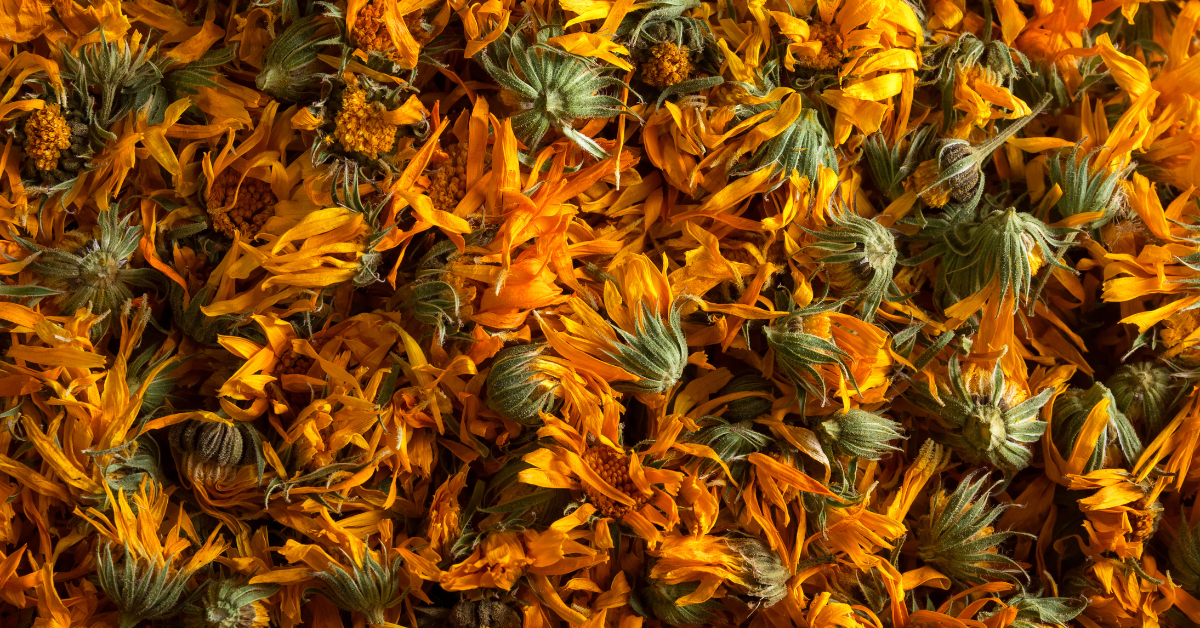
The bright, sunny blooms of Calendula officinalis, commonly known as marigold, are more than just ornamental. they’re powerful herbal allies for supporting skin, digestion, and immunity. In traditional medicine, Calendula has been celebrated across cultures, from ancient Egypt to contemporary European herbalism. Its wide range of applications makes it an invaluable herb, beneficial for beginners exploring gentle remedies and seasoned herbalists seeking a versatile tool. Join us as we dive into the many ways Calendula can enrich your herbal practice.
A Skin-Healing Wonder
Calendula’s reputation as a “skin healer” is well-earned, thanks to its high content of antioxidants, such as carotenoids and flavonoids. These compounds support the skin’s natural repair process by encouraging a balanced local inflammatory response and modulating bacterial activity. Calendula is especially prized as a vulnerary, or wound-healing agent, that helps wounds close faster, reduces scarring, and addresses redness and inflammation. It’s widely used for treating minor cuts, burns, abrasions, and more persistent skin concerns like eczema and psoriasis. Calendula’s gentle, non-irritating action makes it ideal for sensitive or delicate skin, including that of children and the elderly.
Digestive and Immune Support
The benefits of Calendula extend well beyond the skin. Internally, Calendula acts as a gentle yet effective lymphagogue, stimulating the healthy movement of lymphatic fluid, which is essential for immune function and detoxification. This lymph-moving action helps reduce congestion, particularly in cases where individuals experience lingering colds, low-grade fevers, or swollen lymph nodes. Calendula’s alterative and cholagogue actions stimulate the liver, promoting bile production and supporting digestion. Its bitters improve digestive enzyme release, aiding in the breakdown and absorption of food. For those experiencing irritation or inflammation in the gut, Calendula’s soothing effects help calm inflamed mucosal tissues, offering support for common issues like leaky gut syndrome, food sensitivities, or digestive upset.
Support for Women’s Health
In European herbal traditions, Calendula is a trusted ally for women’s health, acting as a mild emmenagogue that supports menstrual flow and relieves pain associated with delayed or scanty menstruation. Its warming properties make it a suitable choice for those experiencing cold or stagnant conditions in the reproductive system. Additionally, Calendula’s mild anti-fungal actions are helpful in managing systemic imbalances like candida, which often co-occurs with gut or reproductive health issues.
Astrological and Energetic Aspects
For those exploring the energetic and astrological dimensions of herbalism, Calendula is traditionally ruled by the Sun. This makes it a valuable ally for individuals experiencing “cold and damp” tissue states or low vitality, often accompanied by feelings of fatigue or seasonal melancholy. Known as “herbal sunshine,” Calendula is thought to lift the spirits and strengthen the vital essence, helping individuals reconnect to their inner warmth and vibrancy. Its warming and neutralizing effects make it suitable for kapha doshas in Ayurveda or those with damp constitutions in Western herbal energetics.
Ways to Use Calendula in Practice
Calendula is highly versatile and can be prepared in many forms for both internal and external use:
Teas and Infusions: To create a tea, steep 2-3 tablespoons of dried Calendula flowers in one cup of hot water for 10-15 minutes. This gentle preparation supports digestion, aids liver function, and can be used as a daily immune tonic.
Tinctures: Calendula tinctures are best made with a high-proof alcohol, ideally at a 1:5 ratio in 70% alcohol, which extracts its beneficial resins and volatile oils. The tincture can be taken in doses ranging from 1-2 ml up to three times daily to support lymphatic function, immune health, and digestive wellness.
Infused Oils and Salves: For external use, Calendula is typically infused in oils such as olive or jojoba oil to create healing salves for cuts, scrapes, and minor burns. Infusing dried Calendula flowers in oil helps extract its healing properties, which can then be applied directly to the skin. This is an ideal addition to a first-aid kit, especially when combined with other vulnerary herbs like Plantain or St. John’s Wort.
In Broths and Foods: For a culinary twist, add dried Calendula flowers to broths, soups, and stews. Its bitter and slightly sweet taste complements savory dishes, while offering a gentle digestive aid and lymphatic support. This traditional folk method is a practical way to incorporate its benefits throughout the colder months.
Cautions and Contraindications
While Calendula is generally considered safe, there are a few precautions to keep in mind. Due to its emmenagogue properties, internal use during pregnancy is not advised; however, topical applications are typically safe. Calendula’s warming nature means that those with high internal heat or fiery constitutions (such as pitta types in Ayurveda) should use it sparingly to avoid exacerbating heat.
TL/DR
Calendula is a powerful yet gentle herb, perfectly suited for herbalists of all levels. Its unique ability to support skin health, lymphatic flow, digestion, and women’s health makes it a versatile remedy that truly embodies the concept of “herbal sunshine.” Whether you’re a beginner or a seasoned practitioner, Calendula officinalis is a healing plant that deserves a prominent place in any herbal practice.
✨ Read more blog posts here. For more comfy content, follow along on Instagram & Pinterest. ✨